Domain the-forum.de kaufen?
Wir ziehen mit dem Projekt
the-forum.de um.
Sind Sie am Kauf der Domain
the-forum.de interessiert?
domain@kv-gmbh.de · 0541-91531010
Domain the-forum.de kaufen?
Was bedeutet DIN A?
DIN A ist eine internationale Standardreihe für Papierformate, die von der Deutschen Industrie Norm (DIN) festgelegt wurde. Die Größen der DIN A Formate sind so gestaltet, dass sie sich jeweils halbieren lassen und dabei das Seitenverhältnis beibehalten. Das bekannteste Format ist DIN A4, das in vielen Ländern als Standard für Briefe, Dokumente und Drucke verwendet wird. Die DIN A Reihe umfasst insgesamt 14 Formate, beginnend mit DIN A0 als größtem Format und endend mit DIN A8 als kleinstem Format. Die Verwendung der DIN A Formate erleichtert den Austausch und die Kompatibilität von Dokumenten und Druckmaterialien weltweit. **
Ist DIN A 3 größer als DIN a4?
Ist DIN A3 größer als DIN A4? Ja, DIN A3 ist tatsächlich größer als DIN A4. DIN A3 hat die Maße 420 x 297 mm, während DIN A4 die Maße 297 x 210 mm hat. Das bedeutet, dass DIN A3 sowohl in der Länge als auch in der Breite größer ist als DIN A4. Wenn man die beiden Formate vergleicht, ist DIN A3 also definitiv das größere Format. **


Ähnliche Suchbegriffe für Zentrierbohrer-HSS-DIN-333-A
Top-Angebote
Produkte zum Begriff Zentrierbohrer-HSS-DIN-333-A:
-
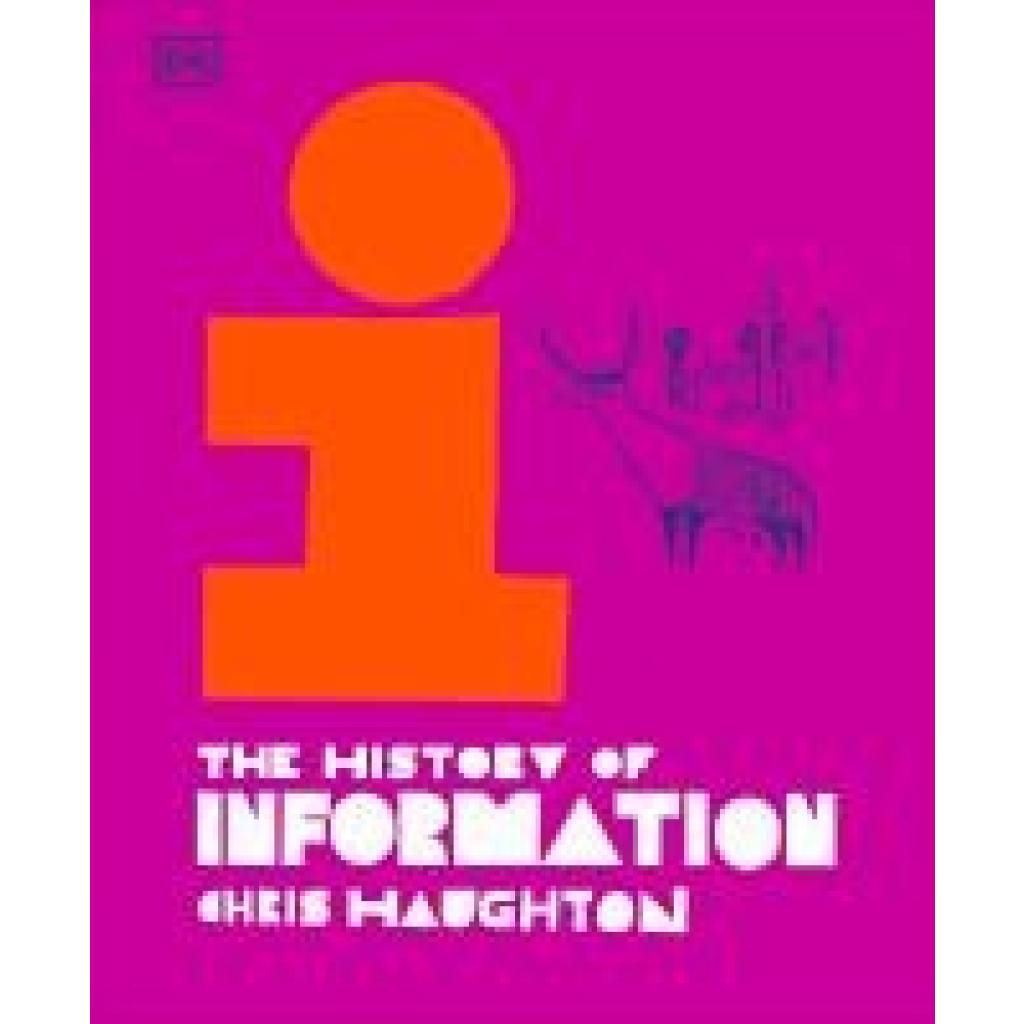
Haughton, Chris: The History of InformationThe History of Information , A journey through the evolution of knowledge, communication, and information. The debut non-fiction book by best-selling author Chris Haughton. History, as it is often taught, is a list of kings and queens and treaties and events. It presents the what and when, but it rarely asks why. Why is it that we had kings and queens at all? Why then all of a sudden did we abandon them and shift to democracies? Why did the world's religions rise around the same time? Why is society dominated by men? The answers all come down to the same thing: information. The striving to share information, and - at the same time - the striving to undermine it, explains so much of today's world and connects so many seemingly unconnected things: the rise of religions, states, science, democracy, the west, militarism, racism, fascism, consumerism, big tech, polarisation, and AI. This history of information is closely connected to the history of visual communication - and as these two are largely the same - it makes sense to tell this story visually: a history of graphics told through graphics. The History of Information , through a mix of timelines, graphics, and illustrations, clearly breaks down and explains each concept for children and adults alike. The History of Information includes: A beautiful look at the story of information; from the first languages and cave paintings, through to how we communicate and record information today. Content written and illustrated by world famous and multi-award winning author and illustrator, Chris Haughton. A global journey throughout history from the origination of language, how information has been passed on and recorded, and how this affected humanity. , > , Erscheinungsjahr: 20240905, Produktform: Leinen, Autoren: Haughton, Chris, Seitenzahl/Blattzahl: 144, Themenüberschrift: JUVENILE NONFICTION / Technology / How Things Work-Are Made, Keyword: fact books for kids age 10-12; fact book for kids; fact books for kids age 8-10; kids fact books age 9 12; kids fact books; non fiction books for teenagers; non fiction books; general knowledge books; books for kids 9-12; encyclopedia for children; children's encyclopedia; curious minds book for kids; britannica children's encyclopedia; science encyclopedia for kids; children's encyclopedia age 10; non fiction books for kids 9-12; non fiction books for 7 year olds; children's encyclopedia age 7-9; children's history books; kids history books age 7; kids encyclopedia; science books for kids, Fachschema: EDV / Kindersachbuch, Jugendsachbuch~Englische Bücher / Kinderliteratur, Jugendliteratur / Sachbuch~Geschichte / Kindersachbuch, Jugendsachbuch~Technik / Kindersachbuch, Fachkategorie: Kinder/Jugendliche: Sachbuch: Geschichte, Altersempfehlung / Lesealter: 18, ab Alter: 9, bis Alter: 12, Imprint-Titels: DK Children, Warengruppe: HC/Kinderbücher/Sachbücher/Naturwissensch./Technik, UNSPSC: 49019900, Warenverzeichnis für die Außenhandelsstatistik: 49019900, Länge: 286, Breite: 236, Höhe: 22, Gewicht: 1008, Produktform: Gebunden, Genre: Importe,21,97 €*Versand: 0,00 €Sichere Weiterleitung zum Anbieter



-
Wofür steht das "A" in DIN A?
Das "A" in DIN A steht für "Ausgangsformat". Es bezieht sich auf die internationale Norm DIN EN ISO 216, die verschiedene Papierformate definiert. Das bekannteste Format ist DIN A4, das in vielen Ländern als Standard für Schreib- und Druckerpapier verwendet wird. **
-
Wie groß ist DIN A?
DIN A ist eine internationale Standardreihe von Papierformaten, die von der Deutschen Industrie Norm (DIN) festgelegt wurde. Die Größe von DIN A hängt von der jeweiligen Variante ab, z.B. DIN A4 ist das am häufigsten verwendete Format und hat die Maße 210 mm x 297 mm. Es gibt verschiedene DIN A Formate wie DIN A0, DIN A1, DIN A2, usw., wobei sich die Größe jeweils halbiert. Die Größe von DIN A basiert auf dem Verhältnis von Seitenlängen von Wurzel 2, was es ermöglicht, das Papierformat einfach zu vergrößern oder zu verkleinern, während das Seitenverhältnis beibehalten wird. Insgesamt bietet die DIN A Reihe eine praktische und standardisierte Methode zur Auswahl des richtigen Papierformats für verschiedene Anwendungen. **
-
Was ist DIN A 3?
Was ist DIN A3? DIN A3 ist ein genormtes Papierformat nach der Deutschen Industrienorm (DIN). Es entspricht den Maßen 420 mm × 297 mm und ist somit doppelt so groß wie das DIN A4 Format. DIN A3 wird häufig für Poster, Plakate, technische Zeichnungen und Präsentationen verwendet. Es bietet mehr Platz für Inhalte als kleinere Formate und ist daher besonders geeignet für größere Drucke und Darstellungen. **
-
Was ist DIN A 1?
Was ist DIN A1? DIN A1 ist ein genormtes Papierformat nach der Deutschen Industrienorm (DIN). Es hat die Maße 594 mm x 841 mm und entspricht somit der Fläche von einem Quadratmeter. DIN A1 wird häufig für Plakate, Poster oder technische Zeichnungen verwendet, da es genug Platz bietet, um Informationen oder Grafiken gut lesbar darzustellen. Durch die genormten Formate wie DIN A1 wird die Kommunikation und der Austausch von Dokumenten erleichtert, da alle Beteiligten die gleichen Maße verwenden. **


Was ist DIN A 2?
Was ist DIN A2? DIN A2 ist ein genormtes Papierformat nach der Deutschen Industrienorm (DIN). Es entspricht einer Größe von 420 mm x 594 mm und ist somit doppelt so groß wie DIN A3 und halb so groß wie DIN A1. DIN A2 wird häufig für Plakate, Poster und technische Zeichnungen verwendet, da es ausreichend Platz für Inhalte bietet, aber dennoch handlich ist. Es ist ein weit verbreitetes Format, das in vielen Druckereien und Büros verwendet wird. **
Welche Maße hat DIN A 3?
Welche Maße hat DIN A3? DIN A3 hat die Maße 297 mm x 420 mm. Es handelt sich um ein gängiges Papierformat, das häufig für Poster, Plakate oder technische Zeichnungen verwendet wird. Es ist doppelt so groß wie DIN A4 und halb so groß wie DIN A2. Durch die festgelegten Maße gemäß der DIN-Norm ist die Größe des Papiers standardisiert und erleichtert den Austausch und die Verwendung in verschiedenen Bereichen. **
Top-Angebote
Produkte zum Begriff Zentrierbohrer-HSS-DIN-333-A:
-
Nielsen, Michael A.: Quantum Computation and Quantum InformationQuantum Computation and Quantum Information , One of the most cited books in physics of all time, Quantum Computation and Quantum Information remains the best textbook in this exciting field of science. This 10th anniversary edition includes an introduction from the authors setting the work in context. This comprehensive textbook describes such remarkable effects as fast quantum algorithms, quantum teleportation, quantum cryptography and quantum error-correction. Quantum mechanics and computer science are introduced before moving on to describe what a quantum computer is, how it can be used to solve problems faster than 'classical' computers and its real-world implementation. It concludes with an in-depth treatment of quantum information. Containing a wealth of figures and exercises, this well-known textbook is ideal for courses on the subject, and will interest beginning graduate students and researchers in physics, computer science, mathematics, and electrical engineering. , > , Ausgabe: 10th Anniversary edition, Erscheinungsjahr: 201012, Produktform: Leinen, Autoren: Nielsen, Michael A.~Chuang, Isaac L., Auflage/Ausgabe: 10th Anniversary edition, Themenüberschrift: COMPUTERS / Computer Science~SCIENCE / Physics / General~SCIENCE / Physics / Quantum Theory, Fachkategorie: Informatik~Elektronik, Nachrichtentechnik, Bildungszweck: für die Hochschule, Warengruppe: HC/Informatik, Fachkategorie: Quantenphysik (Quantenmechanik und Quantenfeldtheorie), Text Sprache: eng, Seitenanzahl: XXXI, Seitenanzahl: 676, UNSPSC: 49019900, Warenverzeichnis für die Außenhandelsstatistik: 49019900, Verlag: Cambridge University Pr., Verlag: Cambridge University Pr., Länge: 253, Breite: 180, Höhe: 37, Gewicht: 1528, Produktform: Gebunden, Genre: Importe, Genre: Importe, Vorgänger EAN: 9780521635035, Katalog: LIB_ENBOOK, Katalog: Gesamtkatalog, Katalog: Internationale Lagertitel, Katalog: internationale Titel, Katalog: Kennzeichnung von Titeln mit einer Relevanz > 30, Katalog: Lagerartikel, Book on Demand, ausgew. Medienartikel, Relevanz: 0090, Tendenz: -1, Unterkatalog: AK, Unterkatalog: Bücher, Unterkatalog: Hardcover, Unterkatalog: Lagerartikel,72,33 €*Versand: 0,00 €Sichere Weiterleitung zum Anbieter
-
Haughton, Chris: The History of InformationThe History of Information , A journey through the evolution of knowledge, communication, and information. The debut non-fiction book by best-selling author Chris Haughton. History, as it is often taught, is a list of kings and queens and treaties and events. It presents the what and when, but it rarely asks why. Why is it that we had kings and queens at all? Why then all of a sudden did we abandon them and shift to democracies? Why did the world's religions rise around the same time? Why is society dominated by men? The answers all come down to the same thing: information. The striving to share information, and - at the same time - the striving to undermine it, explains so much of today's world and connects so many seemingly unconnected things: the rise of religions, states, science, democracy, the west, militarism, racism, fascism, consumerism, big tech, polarisation, and AI. This history of information is closely connected to the history of visual communication - and as these two are largely the same - it makes sense to tell this story visually: a history of graphics told through graphics. The History of Information , through a mix of timelines, graphics, and illustrations, clearly breaks down and explains each concept for children and adults alike. The History of Information includes: A beautiful look at the story of information; from the first languages and cave paintings, through to how we communicate and record information today. Content written and illustrated by world famous and multi-award winning author and illustrator, Chris Haughton. A global journey throughout history from the origination of language, how information has been passed on and recorded, and how this affected humanity. , > , Erscheinungsjahr: 20240905, Produktform: Leinen, Autoren: Haughton, Chris, Seitenzahl/Blattzahl: 144, Themenüberschrift: JUVENILE NONFICTION / Technology / How Things Work-Are Made, Keyword: fact books for kids age 10-12; fact book for kids; fact books for kids age 8-10; kids fact books age 9 12; kids fact books; non fiction books for teenagers; non fiction books; general knowledge books; books for kids 9-12; encyclopedia for children; children's encyclopedia; curious minds book for kids; britannica children's encyclopedia; science encyclopedia for kids; children's encyclopedia age 10; non fiction books for kids 9-12; non fiction books for 7 year olds; children's encyclopedia age 7-9; children's history books; kids history books age 7; kids encyclopedia; science books for kids, Fachschema: EDV / Kindersachbuch, Jugendsachbuch~Englische Bücher / Kinderliteratur, Jugendliteratur / Sachbuch~Geschichte / Kindersachbuch, Jugendsachbuch~Technik / Kindersachbuch, Fachkategorie: Kinder/Jugendliche: Sachbuch: Geschichte, Altersempfehlung / Lesealter: 18, ab Alter: 9, bis Alter: 12, Imprint-Titels: DK Children, Warengruppe: HC/Kinderbücher/Sachbücher/Naturwissensch./Technik, UNSPSC: 49019900, Warenverzeichnis für die Außenhandelsstatistik: 49019900, Länge: 286, Breite: 236, Höhe: 22, Gewicht: 1008, Produktform: Gebunden, Genre: Importe,21,97 €*Versand: 0,00 €Sichere Weiterleitung zum Anbieter
-
Was bedeutet DIN A?
DIN A ist eine internationale Standardreihe für Papierformate, die von der Deutschen Industrie Norm (DIN) festgelegt wurde. Die Größen der DIN A Formate sind so gestaltet, dass sie sich jeweils halbieren lassen und dabei das Seitenverhältnis beibehalten. Das bekannteste Format ist DIN A4, das in vielen Ländern als Standard für Briefe, Dokumente und Drucke verwendet wird. Die DIN A Reihe umfasst insgesamt 14 Formate, beginnend mit DIN A0 als größtem Format und endend mit DIN A8 als kleinstem Format. Die Verwendung der DIN A Formate erleichtert den Austausch und die Kompatibilität von Dokumenten und Druckmaterialien weltweit. **
-
Ist DIN A 3 größer als DIN a4?
Ist DIN A3 größer als DIN A4? Ja, DIN A3 ist tatsächlich größer als DIN A4. DIN A3 hat die Maße 420 x 297 mm, während DIN A4 die Maße 297 x 210 mm hat. Das bedeutet, dass DIN A3 sowohl in der Länge als auch in der Breite größer ist als DIN A4. Wenn man die beiden Formate vergleicht, ist DIN A3 also definitiv das größere Format. **
-
Wofür steht das "A" in DIN A?
Das "A" in DIN A steht für "Ausgangsformat". Es bezieht sich auf die internationale Norm DIN EN ISO 216, die verschiedene Papierformate definiert. Das bekannteste Format ist DIN A4, das in vielen Ländern als Standard für Schreib- und Druckerpapier verwendet wird. **
-
Wie groß ist DIN A?
DIN A ist eine internationale Standardreihe von Papierformaten, die von der Deutschen Industrie Norm (DIN) festgelegt wurde. Die Größe von DIN A hängt von der jeweiligen Variante ab, z.B. DIN A4 ist das am häufigsten verwendete Format und hat die Maße 210 mm x 297 mm. Es gibt verschiedene DIN A Formate wie DIN A0, DIN A1, DIN A2, usw., wobei sich die Größe jeweils halbiert. Die Größe von DIN A basiert auf dem Verhältnis von Seitenlängen von Wurzel 2, was es ermöglicht, das Papierformat einfach zu vergrößern oder zu verkleinern, während das Seitenverhältnis beibehalten wird. Insgesamt bietet die DIN A Reihe eine praktische und standardisierte Methode zur Auswahl des richtigen Papierformats für verschiedene Anwendungen. **
Ähnliche Suchbegriffe für Zentrierbohrer-HSS-DIN-333-A
-
Was ist DIN A 3?
Was ist DIN A3? DIN A3 ist ein genormtes Papierformat nach der Deutschen Industrienorm (DIN). Es entspricht den Maßen 420 mm × 297 mm und ist somit doppelt so groß wie das DIN A4 Format. DIN A3 wird häufig für Poster, Plakate, technische Zeichnungen und Präsentationen verwendet. Es bietet mehr Platz für Inhalte als kleinere Formate und ist daher besonders geeignet für größere Drucke und Darstellungen. **
-
Was ist DIN A 1?
Was ist DIN A1? DIN A1 ist ein genormtes Papierformat nach der Deutschen Industrienorm (DIN). Es hat die Maße 594 mm x 841 mm und entspricht somit der Fläche von einem Quadratmeter. DIN A1 wird häufig für Plakate, Poster oder technische Zeichnungen verwendet, da es genug Platz bietet, um Informationen oder Grafiken gut lesbar darzustellen. Durch die genormten Formate wie DIN A1 wird die Kommunikation und der Austausch von Dokumenten erleichtert, da alle Beteiligten die gleichen Maße verwenden. **
-
Was ist DIN A 2?
Was ist DIN A2? DIN A2 ist ein genormtes Papierformat nach der Deutschen Industrienorm (DIN). Es entspricht einer Größe von 420 mm x 594 mm und ist somit doppelt so groß wie DIN A3 und halb so groß wie DIN A1. DIN A2 wird häufig für Plakate, Poster und technische Zeichnungen verwendet, da es ausreichend Platz für Inhalte bietet, aber dennoch handlich ist. Es ist ein weit verbreitetes Format, das in vielen Druckereien und Büros verwendet wird. **
-
Welche Maße hat DIN A 3?
Welche Maße hat DIN A3? DIN A3 hat die Maße 297 mm x 420 mm. Es handelt sich um ein gängiges Papierformat, das häufig für Poster, Plakate oder technische Zeichnungen verwendet wird. Es ist doppelt so groß wie DIN A4 und halb so groß wie DIN A2. Durch die festgelegten Maße gemäß der DIN-Norm ist die Größe des Papiers standardisiert und erleichtert den Austausch und die Verwendung in verschiedenen Bereichen. **
* Alle Preise verstehen sich inklusive der gesetzlichen Mehrwertsteuer und ggf. zuzüglich Versandkosten. Die Angebotsinformationen basieren auf den Angaben des jeweiligen Shops und werden über automatisierte Prozesse aktualisiert. Eine Aktualisierung in Echtzeit findet nicht statt, so dass es im Einzelfall zu Abweichungen kommen kann. ** Hinweis: Teile dieses Inhalts wurden von KI erstellt.